Supported Employment
Supported Employment
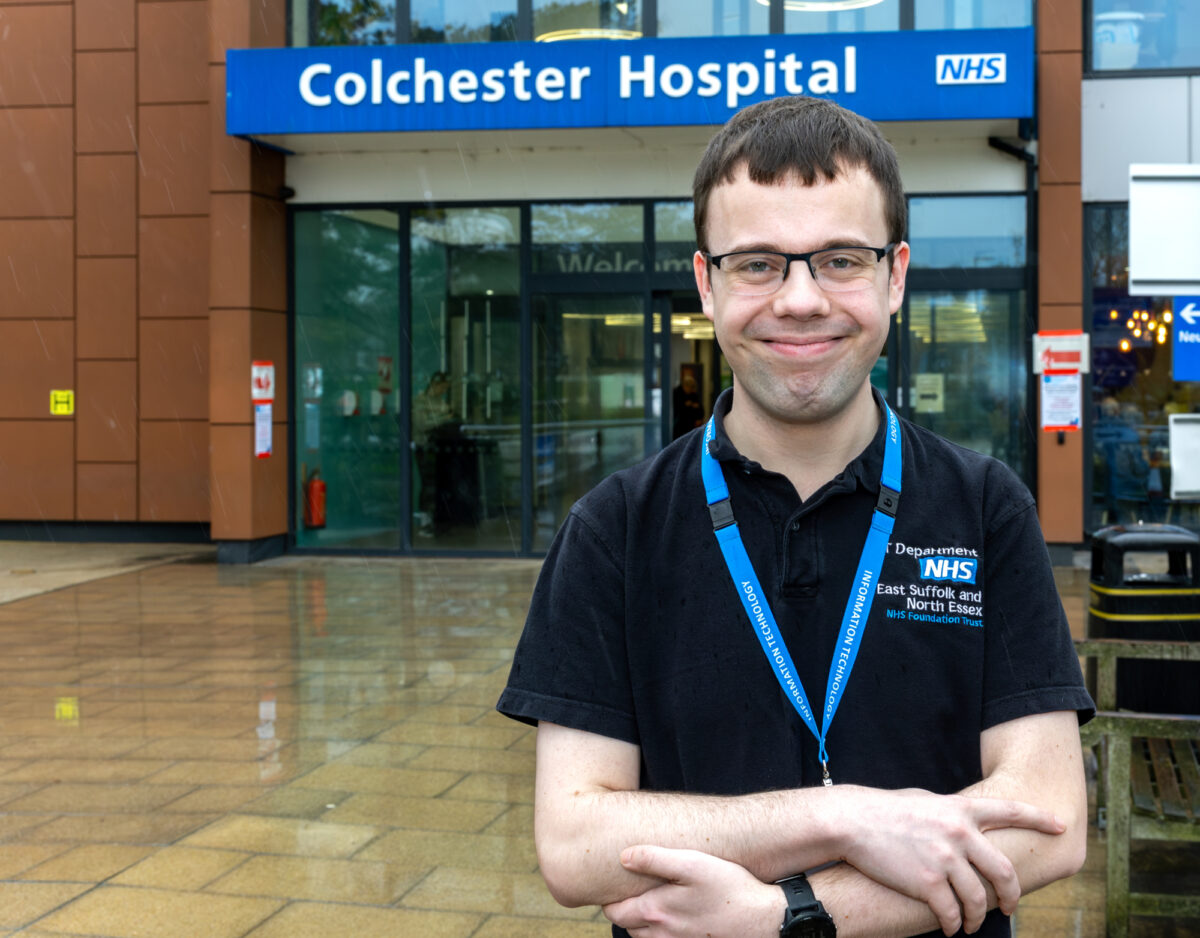
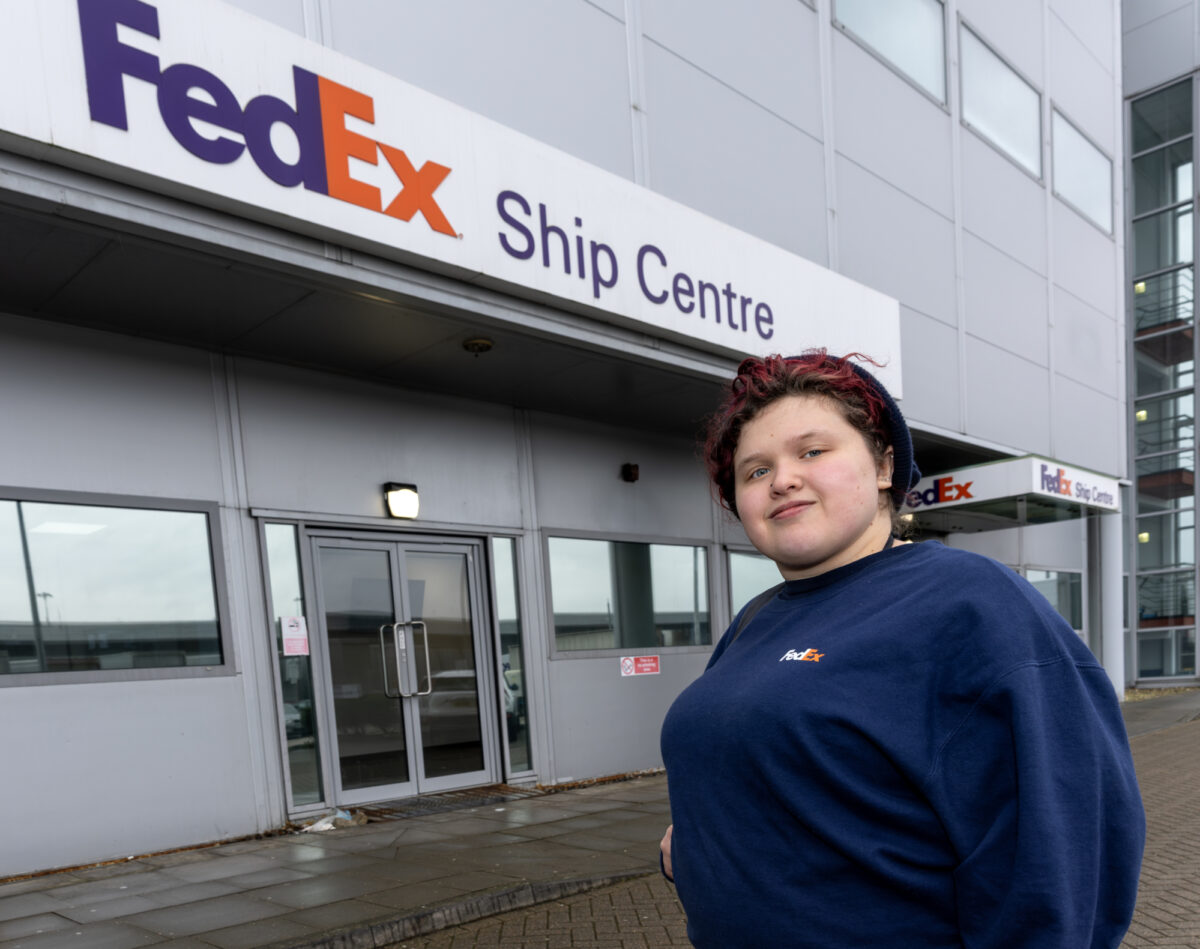
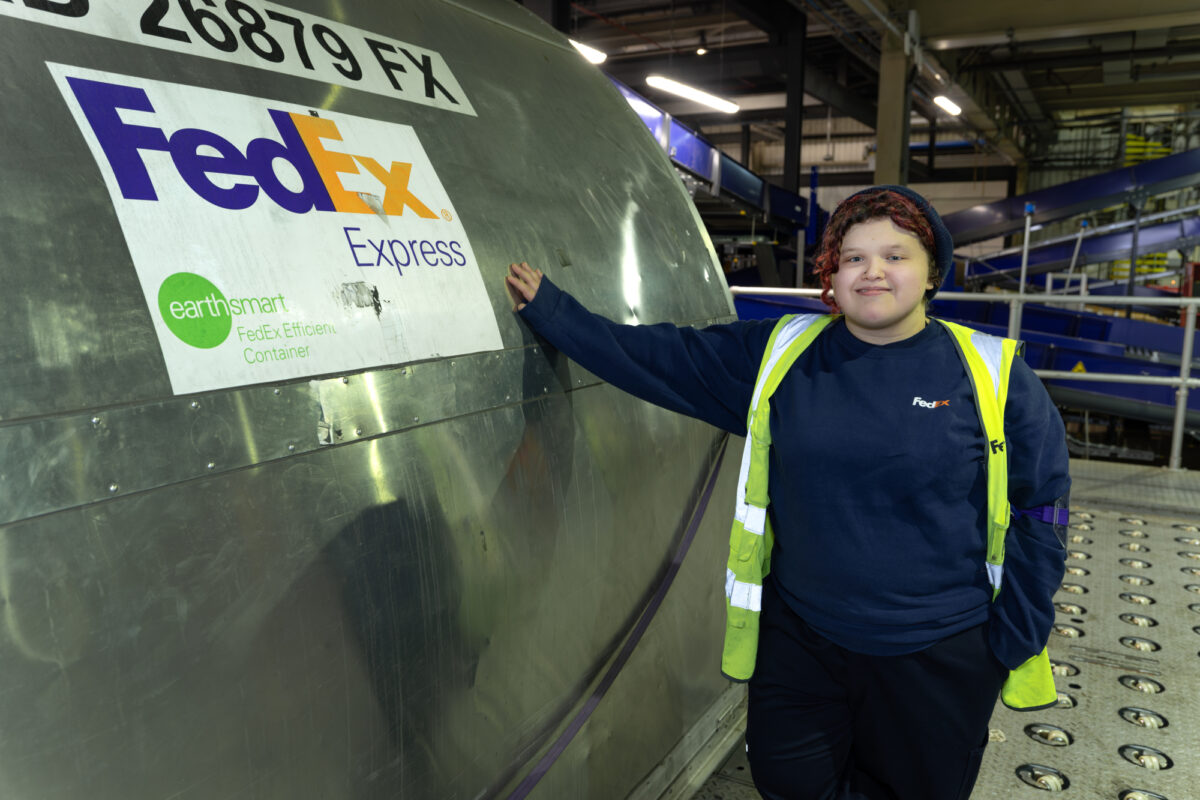
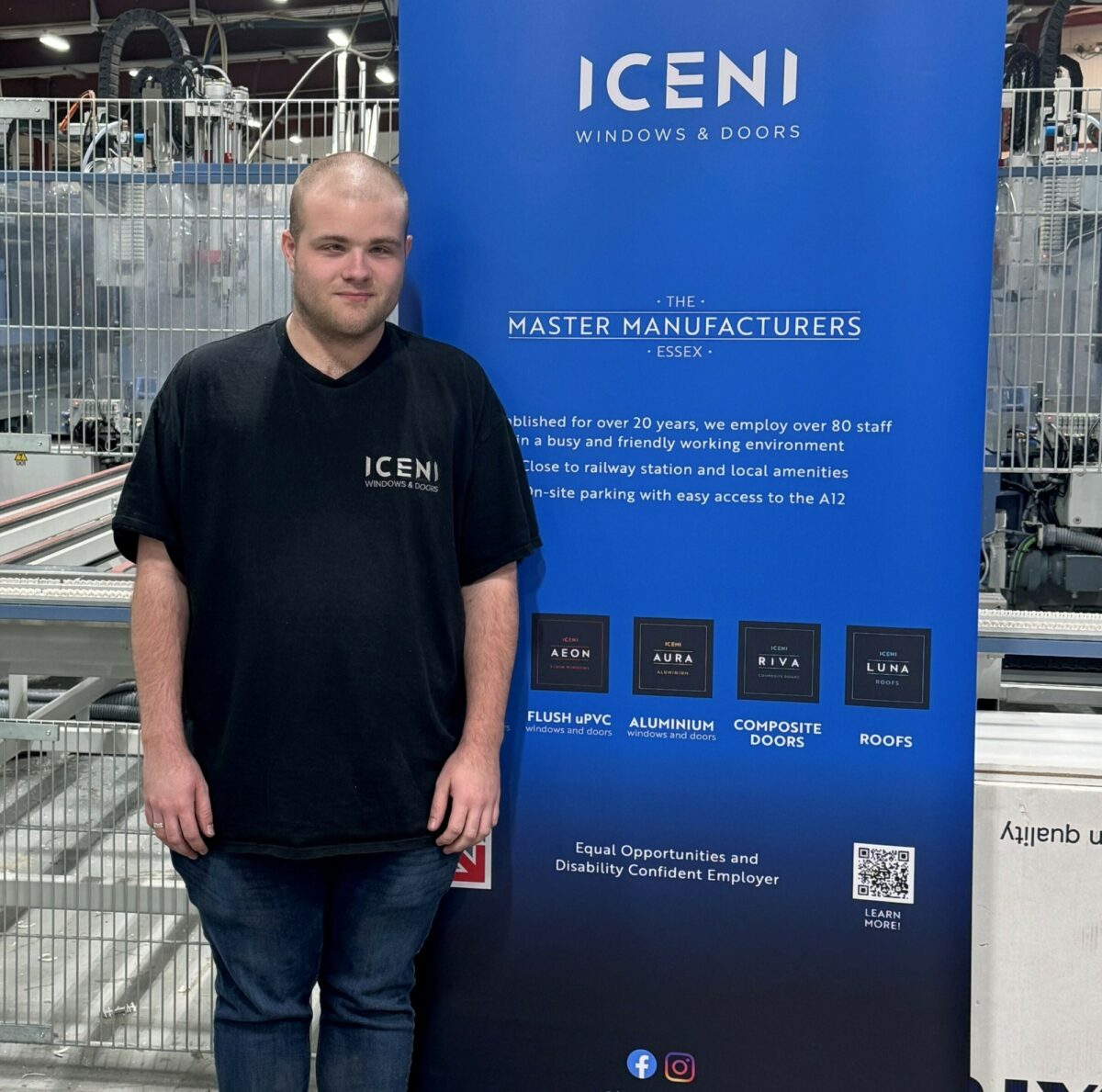
Supported Employment is a specialist service that helps people with learning disabilities, autism, or other neurodivergent conditions to find and sustain meaningful paid work.
What is Supported Employment?
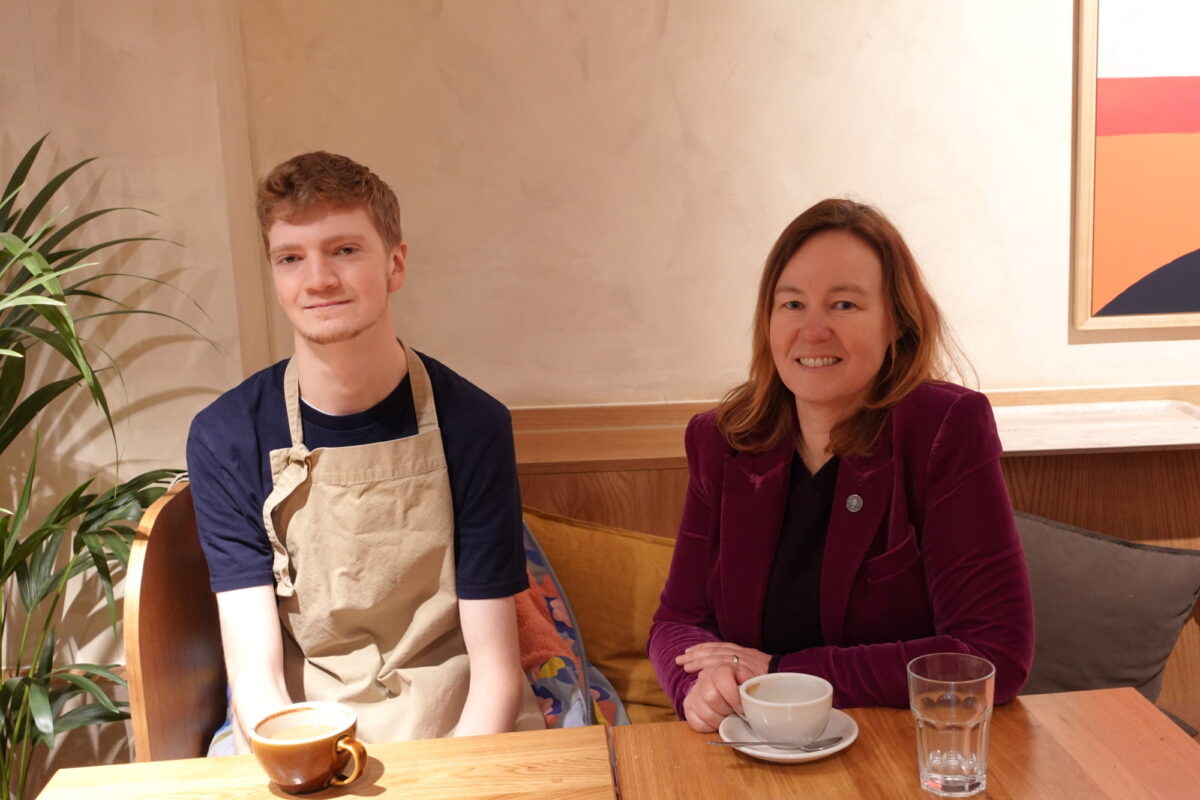
It's where we match the right candidates with the right employers — creating strong, supportive working relationships that benefit everyone. Our team provides tailored guidance and ongoing support to both employee and employer, ensuring a successful and lasting fit.
ECL - a trusted provider of Supported Employment
Essex County Council has partnered with Essex Cares Ltd (ECL) to provide supported employment through two dedicated programmes: Inclusive Employment and Connect to Work.
ECL’s Inclusive Employment service, launched in 2020, has already helped hundreds of people with learning disabilities and autism get paid jobs in Essex.
Connect to Work is a newer government funded programme introduced in 2025 to support those with disabilities, long-term health conditions, or other barriers to employment.
We have a solid history of offering positive, personalised support to job candidates and employers. This support covers the whole employment life cycle. It's often known as the Place, Train, and Maintain model. The British Association of Supported Employment (BASE) accredited ECL as a ‘good’ provider on their Supported Employment Quality Framework (SEQF) in 2022.
Our programmes

Inclusive Employment
ECL’s highly successful Inclusive Employment programme has transformed the lives of hundreds of people with learning disabilities and/or autism in Essex, by supporting them to secure and sustain paid employment.
Connect to Work
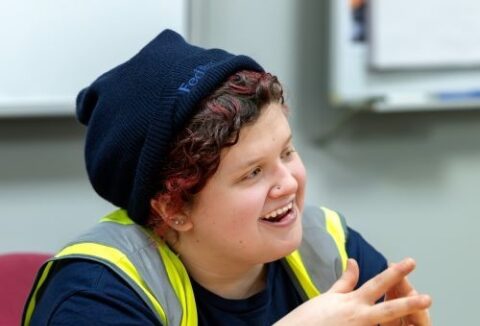
Connect to Work is a UK Government-funded programme. It is a free service that helps job candidates with undiagnosed learning disabilities or neurodiverse conditions to find meaningful work. It also supports businesses and employers in attracting and keeping talent.
What do we mean by learning disability, learning difficulty and neurodivergence?
People with a learning disability often need more time to learn. They may need extra support to learn new skills, understand complex information, or connect with others. With the right support and an inclusive community, people with a learning disability can thrive. (source: Mencap)
A learning difficulty often impacts specific areas. These include reading (dyslexia), writing (dysgraphia), and coordination (dyspraxia). A learning difficulty does not usually affect intellect.
Neurodivergence means a person's brain functions, learns, or behaves in a way that differs from what is considered "typical." Examples of neurodivergent conditions include Autism Spectrum Condition (ASC), Attention Deficit Hyperactivity Disorder (ADHD), dyslexia, dysgraphia, and dyspraxia (source: Royal College of Nursing).